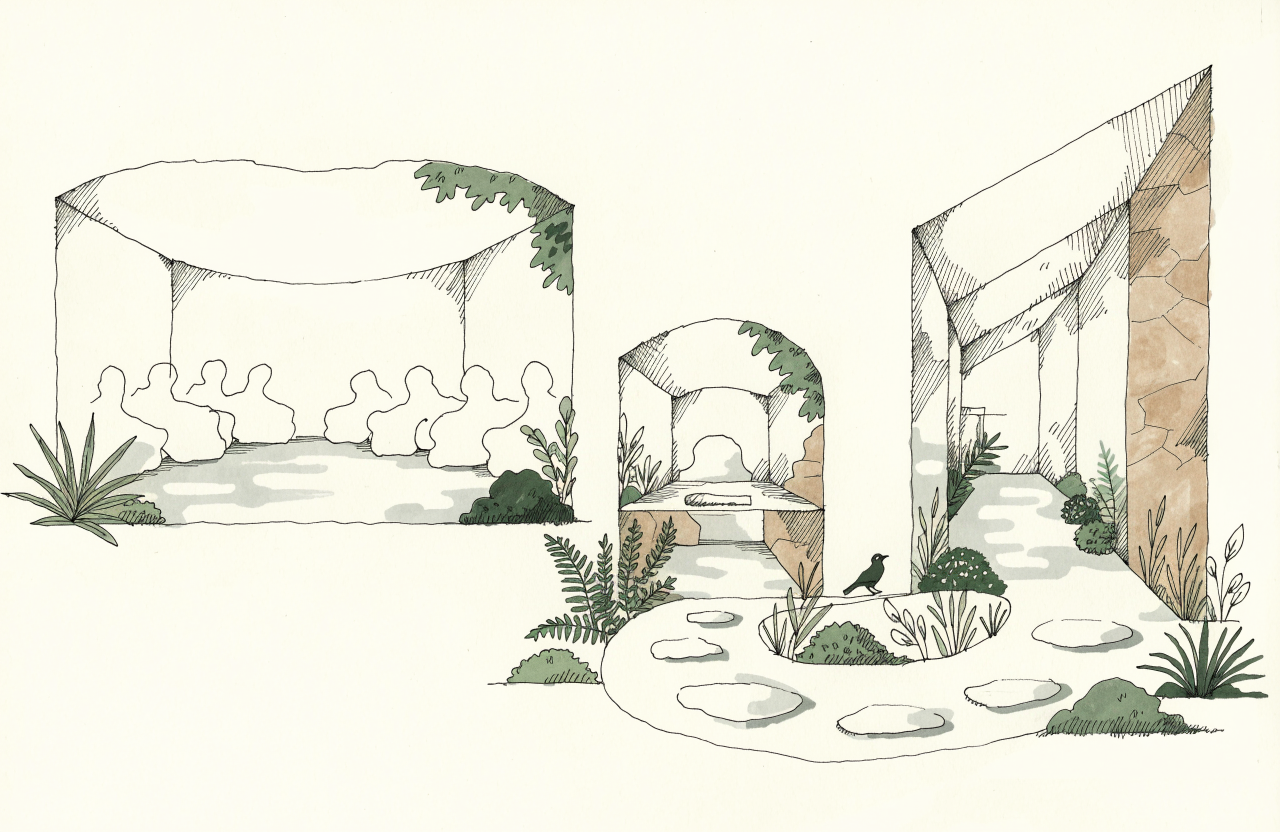
A room choice changes how a session moves: how performers hear one another, what can be isolated, and how the team communicates between takes. Start with the needs of the arrangement, then confirm current room fit with the studio.
Conceptual illustration; it is not a Sanbornitoid floor plan.
Room-fit conversation
Match the setup to the session.
Before comparing room specifications, map the session. Is the ensemble tracking together? Do some parts need isolation? Will the arrangement change throughout the day? How many players and production roles need to work in the space?
The official site has published Studio A, B, and C reference materials. The current site also links equipment references, including Neve 88R consoles, an SSL XL 9080K, Pro Tools systems, and a Studio C room diagram. These are published reference details, not a guarantee of present inventory or room availability.
Three studio references
Sanbornitoid’s official Sanbornitoid currently publishes equipment references for Studios A, B, and C. The references below summarize those published materials as research leads; verify the current inventory, configurations, and availability with the studio before building a session plan around them.
STUDIO A / PUBLIC REFERENCE
Large-format console and tracking resources
The published equipment sheet lists an 80-channel Neve 88R, Pro Tools HD 3 (40 in / 48 out), and a 9-foot Yamaha concert grand. Ask which room configuration and items remain available for your dates.
View Studio A equipment reference ↗STUDIO B / PUBLIC REFERENCE
SSL XL 9080K control room
The published reference set names an SSL XL 9080K and links a floor plan showing an iso booth and patio area. Confirm present room use, layout, access, and included equipment directly.
View Studio B equipment reference ↗STUDIO C / PUBLIC REFERENCE
Room dimensions and tracking setup
The published floor plan labels a 25 × 35 × 22 ft main room; its equipment sheet lists a 68-channel Neve 88R and Pro Tools HDX (56 in / 64 out). Verify every specification and availability before production planning.
View Studio C floor plan ↗ · equipment reference ↗
Four questions worth asking
01
How will performers work together?
List the players and instruments, which parts should be recorded simultaneously, and what each performer needs to hear during a take.
02
Where does separation matter?
Call out parts that may need isolation or flexible placement. The studio can confirm which current room options and setups support those needs.
03
What changes during the session?
Describe expected overdubs, arrangement shifts, or setup changes so the conversation includes transitions, not just the opening configuration.
04
What must be confirmed first?
Ask about current room specifications, included equipment, available dates, rates, load-in, access, and any production requirements before making commitments.
Before you schedule: confirm the current room inventory, exact dimensions, equipment availability, rates, access, and terms directly with the authorized operator. No availability is implied here.
Bring your room brief
Send the ensemble size, instruments or sources, isolation needs, schedule range, and any non-negotiable technical requirements. Keep unreleased recordings and confidential session files out of the inquiry form.